

Identical twins can end up ageing at different rates, even when they share the same DNA. That’s the basic clue behind epigenetic clocks. They try to estimate biological age, meaning how “old” your body seems, rather than how many birthdays you’ve had.
These tests can be useful, especially if you want a clearer view of long-term health habits. Still, they’re not a crystal ball. A single result can’t predict your lifespan, diagnose illness, or tell you what will happen next year.
This guide explains what epigenetic clocks measure, how lifestyle can shift results, how testing works, and the key limits to keep in mind in 2026.
Key Takeaways
- Epigenetic clocks estimate biological age from DNA methylation patterns, which are chemical tags that affect gene activity.
- “Age acceleration” means your methylation age is higher than your calendar age, while “deceleration” means it’s lower.
- A clock result can suggest risk trends, but it can’t prove you’ll get a disease or live to a certain age.
- Repeat testing matters because normal variation, lab differences, and short-term stress can move results.
- Smoking and heavy drinking tend to link with worse clock profiles, while stopping often improves the overall picture over time.
- Sleep, activity, body fat, and chronic stress are among the lifestyle areas most linked to methylation patterns.
- Don’t test during an acute illness or right after major routine changes, because you may measure noise, not progress.
- Choose a provider that explains its method, quality controls, and data privacy, and that matches claims to validation.
What Epigenetic Clocks Measure (And What They Do Not)

DNA with methylation “tags”, a key signal used by epigenetic clocks, created with AI.
Epigenetic clocks read patterns in DNA methylation. Methylation is a small chemical tag that can attach to DNA. It doesn’t change your genes, but it can change how strongly certain genes are “read” by your cells.
A clock uses signals from many methylation sites across the genome. Then it runs those signals through a statistical model. The output is often called your DNA methylation age, or simply your epigenetic age.
You may also see these terms in reports:
- Age acceleration: the gap between methylation age and calendar age (positive means “older”, negative means “younger”).
- Pace of ageing: an estimate of how quickly ageing-related changes appear, rather than a single age number.
- Percentiles: where you sit compared with a reference group from the same test provider.
What these clocks don’t do matters just as much. They don’t directly measure your exact lifespan. They don’t give a reliable “one organ age” reading from a single blood or saliva sample. They also can’t guarantee disease prediction, even if some clocks correlate with health risks in studies.
Treat an epigenetic clock like a dashboard light, not a diagnosis. It can prompt action, but it doesn’t name the problem.
The Quick Version Of Epigenetics: Same DNA, Different Settings
Think of DNA as an instruction book. Epigenetic marks are like notes in the margins, or dimmer switches on a wall. The wiring stays the same, yet the brightness changes.
Because methylation responds to time and exposure, patterns can shift. They can differ between people with similar genetics. They can also change within the same person across life stages, stress, illness, and recovery.
Why Different Clocks Can Give Different Numbers
Not all epigenetic clocks aim for the same target. Some are trained mainly to predict calendar age. Others are trained to relate to health outcomes, mortality risk, or “pace” measures.
Sample type also matters. Many clocks use blood, because it’s widely studied. Some use saliva, which can be easier to collect but may differ because it contains different cell types. Even with blood, results can shift if your immune cell mix changes after infection, poor sleep, or hard training.
Lifestyle And Environment: What Can Move Your Biological Age

Regular activity is one of the most consistent lifestyle factors linked with healthier ageing signals, created with AI.
Lifestyle links to methylation show up in research, but cause and effect can be messy. Healthier people often sleep better, move more, and drink less. At the same time, illness, pain, and stress can push habits the other way. So, treat lifestyle advice as practical direction, not proof that one change “fixes” your methylation.
Short-term shifts can happen, but meaningful trends often need months. Your result also reflects the whole picture, including recent illness, medications, travel, poor sleep, and even the night before a blood draw. If you tested after a rough week, your clock might be measuring the rough week.
For most people, the best first steps are boring but powerful. Stop smoking, cut back alcohol, move more, and protect sleep. If weight loss is appropriate, aim for gradual change. Crash dieting can stress the body and may confuse interpretation.
The Big Levers: Smoking, Alcohol, Sleep, Activity, And Body Fat
Smoking is one of the clearest links with unfavourable methylation patterns. Stopping is still the single best move for long-term health, even if your first test looks discouraging.
Alcohol sits on a spectrum. Light drinking is hard to interpret, because people vary and studies differ. Still, regular heavy drinking tends to align with worse health markers, including methylation signals.
Sleep matters because it supports repair, immune balance, and appetite control. If you average poor sleep, your clock result can reflect that strain. Prioritise a steady bedtime, morning light, and a cool, dark room.
Activity helps because it supports metabolic health and reduces inflammation for many people. Aim for regular walking plus some harder effort if your joints and fitness allow. Strength training supports muscle, which matters as you age.
Body fat, especially around the waist, links with insulin resistance and inflammation. If you’re carrying extra weight, slow and steady loss often beats extremes.
Food, Stress, And Recovery: Small Daily Choices That Add Up
Diet patterns tend to matter more than single foods. A simple rule helps: more plants and fibre, enough protein, and fewer ultra-processed foods. If you already eat well, focus on consistency rather than chasing “perfect”.
Stress is tricky. The body can handle short bursts, but chronic stress can disturb sleep, appetite, and recovery. In other words, stress often affects methylation through the habits it disrupts.
Recovery counts too. Hard training without rest can backfire. The same goes for pushing through illness. Your body needs spare capacity to repair.
Here’s an example week of changes that stays realistic:
- Add a 20 to 30 minute walk after dinner on four days.
- Plan two protein-forward meals per day (for example, eggs, yoghurt, beans, fish, chicken, or tofu).
- Set a “screens off” time 60 minutes before bed on weeknights.
- Swap one drinking occasion for a no-alcohol option.
- Put one true rest day in your schedule, especially after intense exercise.
How To Test Your Biological Age: Picking A Lab And Getting A Result You Can Trust
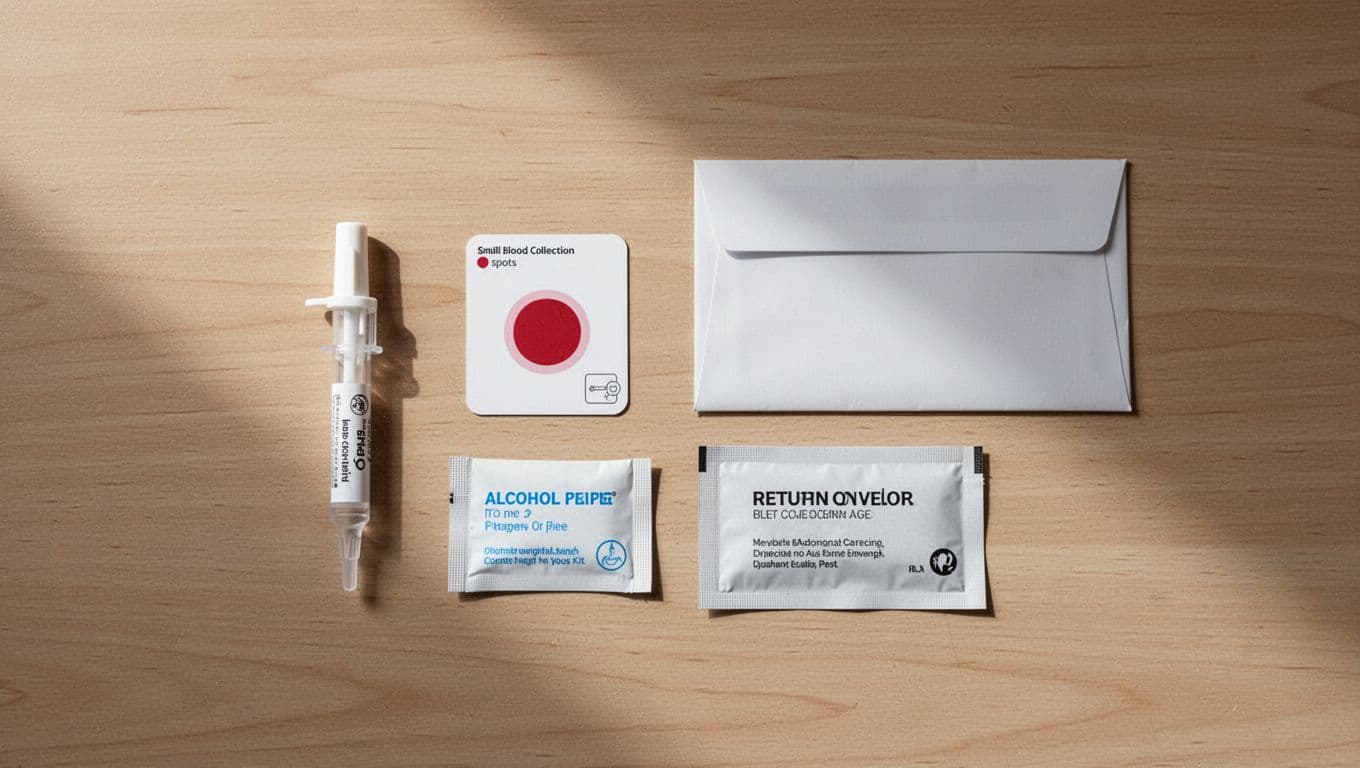
An at-home sample kit is a common way to collect blood for methylation testing, created with AI.
Most consumer epigenetic clock tests use either an at-home kit (often finger-prick dried blood) or a clinic blood draw. Saliva options exist too. The sample goes to a lab, where methylation is measured at many DNA sites. The provider then calculates your clock outputs and shows them in a report.
Reports usually include your methylation age, an “acceleration” figure, and sometimes a pace metric. Some also show lifestyle guidance or comparisons against a reference group. Read those extras as general advice, unless they clearly explain how they were built.
When choosing a provider, look for signals of honesty and quality:
- Method clarity: they explain what clock they use and what it was trained to predict.
- Sample type and handling: they tell you whether it’s blood or saliva, and how they reduce sample degradation.
- Quality controls: they describe repeat testing, technical checks, or failure rates in plain terms.
- Validation match: their claims fit what the clock has been studied for (age estimate versus health risk signals).
- Data privacy: they state who owns your data, how it’s stored, and whether you can delete it.
- Repeatability focus: they encourage trends over single readings, not fear.
To reduce “noise” before testing, keep your routine steady for a week or two. Avoid testing during acute infection, after surgery, or right after a huge diet change. Also note any major life events, medication changes, or poor sleep streaks, because they help explain surprising results.
How Often To Retest, And What Counts As A Real Change
Retesting too soon can waste money and increase worry. Most lifestyle changes take time to show up. In many cases, months make more sense than weeks.
Single results can mislead, so aim to track trends. Two to three tests over time often tell a clearer story than one dramatic number. Keep a simple log between tests, covering sleep, training, alcohol, weight trend, major stress, and illness. Then you can connect changes in your life to changes in your results.
Limitations And Common Misunderstandings (Read This Before You Spend Money)
Epigenetic clocks are impressive, but they’re not perfect. Measurement noise exists, even with good labs. Different providers can give different ages from the same person. That can happen because they test different methylation sites, use different models, and use different reference groups.
Population bias also matters. Many clocks were trained on datasets that may not represent every ancestry, age group, or health status equally. As a result, accuracy and meaning can vary between individuals.
Another common misunderstanding is thinking “younger is always healthier”. A lower methylation age can sit alongside poor fitness, high cholesterol, or symptoms that need medical care. On the other hand, someone managing a chronic condition well might still show a higher epigenetic age. The clock is one signal, not the whole story.
Be extra cautious if you’re pregnant, recovering from surgery, fighting an infection, or changing major medications. People with health anxiety may also find the numbers unhelpful. If you know you’ll obsess over small changes, focus first on habits and clinical check-ups.
If a small shift changes your mood, not your actions, the test isn’t serving you.
Why A Clock Is Not A Diagnosis, And Not A Life Expectancy Timer
Clocks can correlate with risk in groups. That doesn’t turn them into medical tests for individuals. Your result can’t confirm disease, rule it out, or replace a clinician.
Use your report as motivation for sensible habits, and as a prompt to check basics. If you have symptoms, family history concerns, or worries about heart health, talk to a GP. Traditional checks like blood pressure, lipids, glucose, sleep quality, and fitness still matter.
FAQ
How Much Do Epigenetic Clock Tests Cost In The UK?
Prices vary by provider and sample type, and they can change over time. In general, epigenetic testing costs more than a standard blood panel because the lab work is specialised. Check what the price includes, such as repeat sampling, interpretation, and data deletion options.
How Accurate Are Biological Age Tests?
They can estimate patterns that track with ageing, but “accurate” depends on the clock and the person. Some clocks track calendar age well, while others aim to relate to health risk. Treat the output as an estimate, then look for trends across repeat tests.
Is Saliva Testing As Good As Blood For Epigenetic Age?
Blood-based clocks have more research behind them, and they may be more consistent for some models. Saliva is easier to collect, but it contains different cell types, which can affect results. If you choose saliva, stick with the same provider for retests.
How Fast Can Your Epigenetic Age Change?
Small swings can happen over short periods because of sleep loss, illness, stress, or lab variation. Lasting change usually takes longer, because it reflects sustained shifts in health and exposure. That’s why many people retest after several months, not a few weeks.
What Should You Do If Your Biological Age Is Higher Than Your Real Age?
First, don’t panic. Check whether you tested during illness, high stress, or big routine changes. Then focus on the basics: stop smoking, improve sleep, move more, and reduce alcohol, because these changes help regardless of the number.
Do Supplements Lower Epigenetic Age?
Some supplements are studied for general health, but clock effects are harder to prove. Even when a study shows a shift, it may not apply to everyone. Food, sleep, exercise, and stress management usually give a better return than a long supplement stack.
Can Exercise Make Your Biological Age Look Worse In The Short Term?
Yes, intense training can temporarily shift immune cell balance and inflammation markers. If you test right after a hard event or a tough training block, you may catch a short-term stress signal. Keep training consistent before testing, and avoid sampling during peak fatigue.
What About Data Privacy With DNA Methylation Tests?
Read the privacy policy carefully before you buy. Look for clear statements on data storage, whether data is shared for research, and how to request deletion. If the policy feels vague, choose a different provider.
Conclusion
Epigenetic clocks estimate biological age by reading DNA methylation patterns, and lifestyle can move those signals over time. Still, a single number can’t predict your future, and it can’t replace medical advice. The smart approach is to pick a transparent test, keep conditions steady, and track trends across months. If you want a next step, choose one habit you can keep for 12 weeks, then retest to see whether your body agrees.
Leave a Reply