

Your liver can release glucose before you wake, even though you have not eaten for hours. For some people, that normal early-morning process becomes a sharp rise in blood sugar levels, leaving them thirsty, restless, or wide awake.
Sleep and glucose affect each other in both directions. A broken night can make the next day’s glucose harder to manage, while overnight highs and lows can interrupt sleep. Patterns across several nights offer more useful clues than one morning reading.
Key takeaways
- Blood glucose often rises between 4:00 and 8:00 as the body prepares to wake.
- A high waking reading can follow the dawn phenomenon, a late meal, poor sleep, or an overnight low.
- Short sleep duration or disrupted sleep may temporarily reduce insulin sensitivity the following day.
- Poor sleep can affect appetite regulation, making carbohydrate-rich foods more tempting.
- Compare bedtime, overnight, and waking readings before drawing conclusions about a pattern.
- People with type 2 diabetes, and anyone using insulin or hypo-causing medicines, shouldn’t change doses without guidance from their diabetes team.
- A regular wake-up time, morning daylight, calmer evenings, and good sleep quality can support steadier nights.
- Repeated night sweats, nightmares, snoring, thirst, or waking to urinate deserve attention, especially with diabetes.
The Overnight Link Between Sleep and Glucose
Glucose supplies energy while you sleep, but blood glucose still needs to stay within a workable range. When blood glucose runs high overnight, thirst, a dry mouth, headaches, overheating, or toilet trips can break your sleep.
Low readings can disturb the night in a different way. The body releases stress hormones, including adrenaline, also called epinephrine, which may cause sweating, a racing heart, vivid dreams, or sudden waking. Neither set of symptoms proves glucose is the cause, but repeated episodes can erode sleep quality.
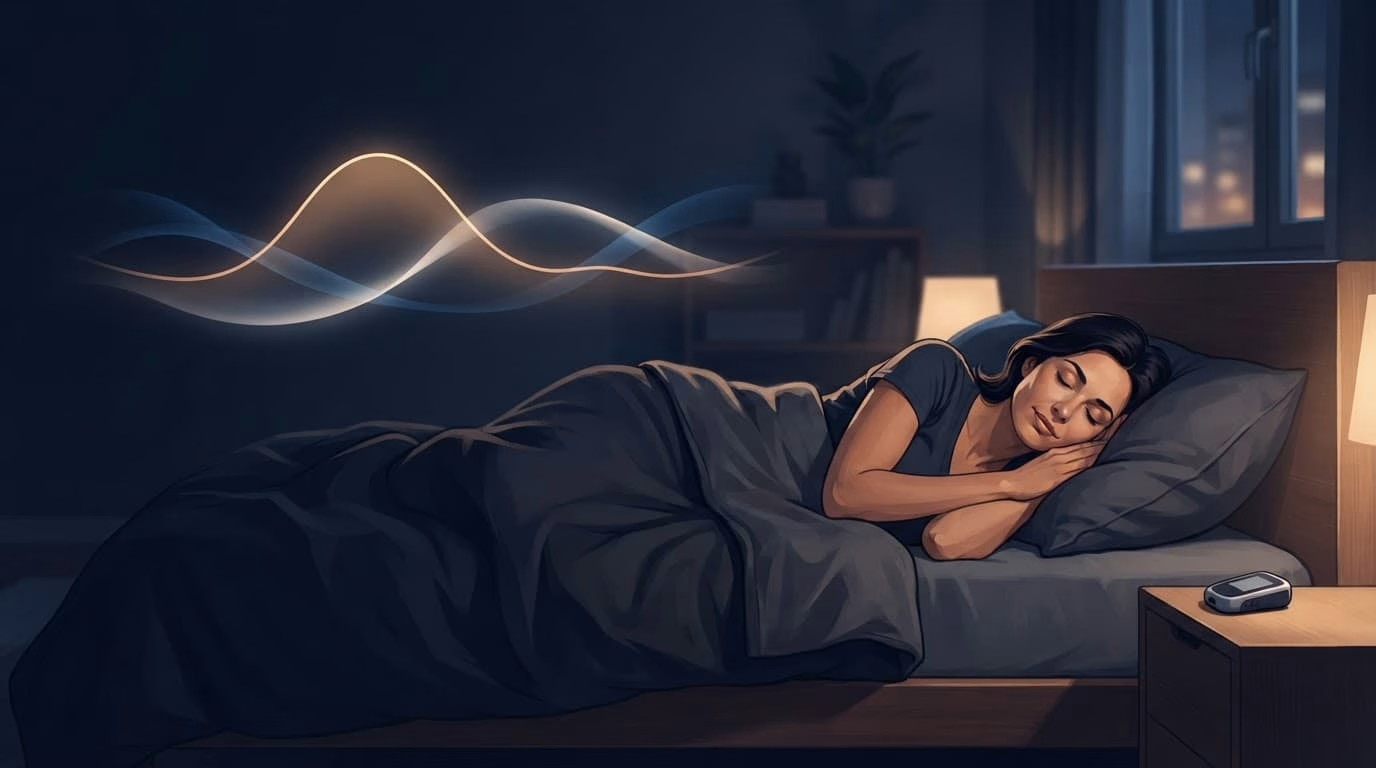
Sleep Is Not A Metabolic Pause
Your liver releases small amounts of glucose overnight to keep the brain and muscles supplied. This supports energy balance while glucose metabolism continues during sleep.
Insulin usually guides that glucose into cells or limits further liver output. Normal liver release is different from abnormal overnight highs, which may reflect less effective regulation.
Sleep deprivation, illness, and high stress can reduce insulin sensitivity, so insulin may not work as effectively overnight. Insulin resistance can leave more glucose circulating for longer, including into the early morning. The relationship between sleep and glucose is therefore a two-way loop, rather than a simple food problem.
Not Every Night Waking Is About Glucose
Menopause, pain, anxiety, reflux, alcohol, medication side effects, and a room that is too warm can all disrupt sleep. Loud snoring, gasping, morning headaches, or heavy daytime sleepiness may point to sleep apnea.
If you wake often but glucose readings stay steady, look beyond your meter. A GP can help assess sleep apnea and other sleep disorders that affect both wellbeing and diabetes management.
The Dawn Phenomenon And Morning Readings
The dawn phenomenon is an early-morning rise in blood glucose, often beginning between 4:00 and 8:00. It can affect people with diabetes and those without it. Blood pressure follows a similar morning rhythm, which is part of why readings often run higher after waking.
As morning approaches, stress hormones such as cortisol, alongside growth hormone, help prepare the body for waking. They prompt the liver to release glucose. In people without diabetes, insulin usually manages that extra fuel, reflecting healthy insulin sensitivity. With insulin resistance, type 2 diabetes, or insufficient overnight insulin, the rise may be more noticeable.

A Dawn Rise Is Different From A Night-Time Low
A high result on waking doesn’t automatically mean you need more insulin. Some people go low earlier in the night and then wake with a higher reading. Others have a gradual rise after 4:00 without ever going low.
A continuous glucose monitor can show how blood glucose changed overnight. Without one, a clinician may ask you to check glucose between 2:00 and 4:00 for a few nights. Don’t set an alarm every night without a reason, as lost sleep can complicate the pattern.
Look At The Evening Before Blaming Dawn
A large late meal, alcohol, an unusually sedentary day, illness, stress, activity, or a missed medicine dose can affect a morning reading. No single factor is definitive. Write down the context alongside the number.
The classic early-morning pattern occurs without nocturnal hypoglycaemia. That detail matters because the safest response differs according to what actually happened overnight.
How Sleep Loss Affects Insulin Sensitivity
One night of sleep deprivation can reduce insulin sensitivity the next day in controlled sleep studies. Studies of reduced sleep duration may also show poorer glucose tolerance, suggesting that glucose metabolism is less efficient after lost sleep. With greater insulin resistance, the pancreas may release more insulin after meals, and glucose can remain higher for longer.
This does not mean a poor night causes diabetes. Still, repeated short sleep may further reduce insulin sensitivity. It can add pressure to an already difficult glucose routine, especially in people with prediabetes or type 2 diabetes.
Appetite Signals Change After Short Sleep
Sleep restriction can make appetite regulation harder to judge. Short-term studies have found changes in ghrelin, a hormone linked with hunger, and leptin, which helps signal fullness. Stress hormones may also affect these responses, although individual patterns vary.
The practical effect may feel familiar, as cravings can challenge appetite regulation and energy balance after a rough night. Biscuits, crisps, sugary drinks, and oversized portions can look more appealing after poor sleep. A breakfast with protein and fibre often gives a steadier start than chasing energy with refined carbohydrates.
Longer-Term Risk Is About Patterns
Epidemiological studies, including the Wisconsin Sleep Cohort, have found that short sleep duration and higher body mass index often appear together. Time in bed isn’t the same as sleep efficiency, the proportion of time actually spent asleep. Many studies show a U-shaped pattern, linking very short and very long sleep with poorer health and higher obesity risk.
These findings show association, not proof that sleep duration alone causes weight gain or diabetes. Body mass index and metabolic health also reflect food, stress, medicines, illness, income, physical activity, and energy balance. Even so, seven to nine hours remains a sensible target for most adults, based on individual needs.
Late Bedtimes Can Shift Glucose Control
Your circadian rhythm helps time sleepiness, alertness, hormone release, digestion, and glucose metabolism. When bedtime moves later, meals, physical activity, and energy balance often move too.
A delayed body clock may affect carbohydrate metabolism and postprandial glucose, the rise after eating. After sleep deprivation or an unsettled night, glucose tolerance may be less favourable, especially for people with insulin resistance.
Some epidemiological studies associate late schedules with obesity risk, but they don’t prove bedtime alone causes it. Food choices, stress, medicines, work patterns, and activity also affect glucose responses.
Put More Weight On Wake Time
Consistency is usually more useful than forcing an unrealistically early bedtime. Aim for adequate sleep duration, then get up at roughly the same time most days. Seek outdoor light soon after waking, giving your body clock a reliable morning cue.
The guide on why a consistent wake time matters can help you set a schedule that’s realistic around work and family life. Large weekend lie-ins can create social jet lag, which may leave appetite, sleep, and energy feeling out of step.
Highs And Lows Have Different Night-Time Clues
A high overnight blood glucose reading may cause thirst, frequent urination, headache, and unsettled sleep. It can also be symptom-free, so a few readings are more useful than guessing from how you feel.
An overnight hypo may bring sweating, nightmares, a racing heart, sudden waking, confusion, or unusual exhaustion in the morning. Stress hormones released during a low may contribute to these signs. Some people sleep through lows, particularly after alcohol or strenuous activity.
Keep Hypo Treatment Within Reach
For many adults in UK diabetes care, a reading below 4 mmol/L counts as a hypo. If you have type 2 diabetes, use insulin, or take medicine that can cause lows, keep your meter or phone, hypo treatment, and water close to the bed.
Follow the hypo plan given by your diabetes team. Do not experiment with skipping food, changing basal insulin, or moving medication doses because of one difficult night.
Alcohol And Exercise Need Extra Context
Alcohol can disrupt sleep and may increase the risk of delayed hypoglycaemia, especially for people who use insulin. A hard evening session of physical activity can also change overnight glucose for some people.
That does not mean you should avoid activity. Instead, learn your own pattern, use any monitor alerts provided, and discuss repeated lows with a diabetes specialist nurse or GP.
Build A Useful Overnight Glucose Record
A short, focused record can turn a vague concern into a useful conversation with your clinician. Include one blood glucose reading at bedtime, another overnight if advised, and one on waking.
Track three to seven ordinary nights, rather than recording only your worst night.
For adults with type 1 diabetes, NICE advises checking levels at least four times daily, including before bed. For people with type 2 diabetes who don’t use insulin or hypo-causing tablets, routine finger-prick monitoring isn’t always recommended.
Compare Three Points In The Night
Use this record with notes on meals, activity, alcohol, stress, sleep duration, and medication. Together, they add context about energy balance and overnight changes.
| Time | What To Record | What It Can And Can’t Show |
|---|---|---|
| Before bed | Glucose, last meal, exercise, alcohol, medicine | Shows the starting point, not what happens later |
| 2:00 to 4:00 | A reading only if advised, or a continuous glucose monitor (CGM) trend | May show an earlier low or rise, but not explain the whole night |
| On waking | Glucose and sleep symptoms | Shows the end point, not the route taken |
A high waking result only shows the end of the night. It cannot explain the route your glucose took to get there.
Use Personal Targets, Not Internet Targets
NICE and Diabetes UK give target ranges for many adults with type 1 diabetes, but bedtime targets should be personalised. Your meal timing, insulin type, pregnancy status, hypo awareness, and health needs all matter.
These readings can’t diagnose insulin resistance or measure insulin sensitivity directly. They can reveal repeated patterns worth discussing with your clinician.
Bring your record to a diabetes review rather than chasing a perfect graph. Repeated patterns give your team enough information to suggest a safe adjustment.
An Evening Routine For More Stable Nights
A calmer evening may support sleep quality by reducing arousal linked to stress hormones. It can support recovery, but even a consistent bedtime routine can’t compensate for ongoing sleep deprivation. Choose one change, repeat it for a week, and watch for a trend.
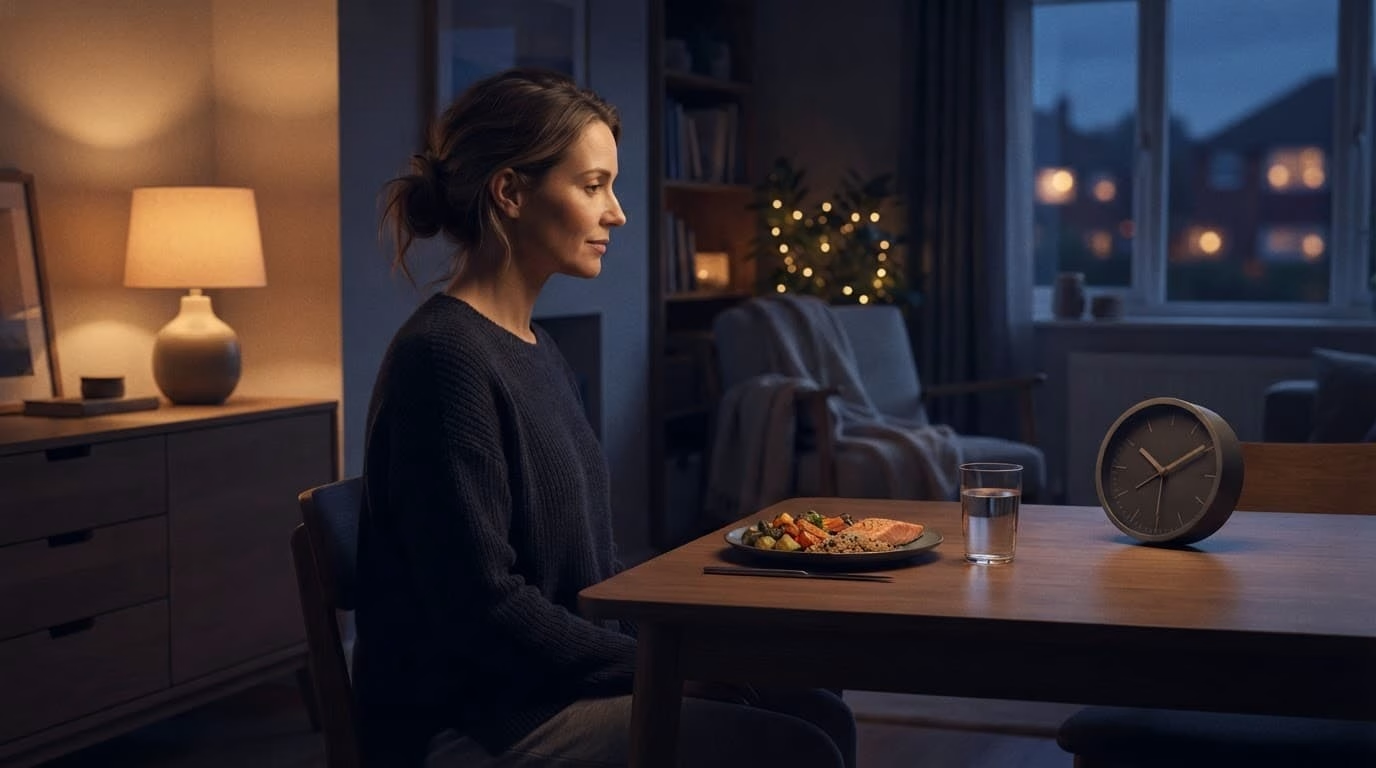
Make The Last Two Hours Less Stimulating
A calmer evening supports sleep, while regular routines make readings easier to interpret. Try a combination that fits your care plan:
- Finish a large evening meal earlier if your own data shows late meals raise your overnight glucose.
- Take a gentle walk after dinner only if it feels safe and fits your medication plan. It may support insulin sensitivity, but exercise can affect glucose.
- Stop caffeine well before bedtime, using caffeine timing for better sleep as a starting point.
- Dim bright screens and lights during the final hour to support sleep efficiency, then keep the bedroom cool and ventilated.
- Keep your wake-up time within a similar window, even after a poor night.
Avoid Treating Food As A Universal Fix
Some people need a planned bedtime snack because of their insulin regimen or recurrent hypos. Appetite regulation varies, and others may find that meal timing, activity, or a carbohydrate-heavy snack affects next-day energy balance or raises glucose overnight.
Let your own blood sugar levels and prescribed plan guide you, rather than blanket snack rules. If you are unsure, ask your diabetes team whether a snack, meal timing change, or medication review makes sense.
When To Ask For Medical Help
Speak to your diabetes team if you have repeated overnight lows, frequent high waking readings, severe night sweats, or glucose changes you can’t explain. Contact your GP if poor sleep lasts for weeks, or if you snore loudly, gasp, or feel exhausted despite enough time in bed. These symptoms can indicate sleep apnea. Persistent disruption deserves assessment because it can affect metabolic health.
If you have type 1 diabetes, high glucose with vomiting, abdominal pain, rapid breathing, or raised ketones needs urgent advice under your sick-day plan. Call NHS 111 if you’re unsure how urgent the symptoms are. Call 999 for a seizure, unconsciousness, or a severe hypo when the person cannot safely swallow.
Conclusion
A disrupted night can affect glucose the next day, while changing glucose can interrupt sleep before morning. One reading shouldn’t drive self-judgement or medication changes; look for a repeatable pattern instead.
Steadier wake times and sensible evening habits support energy balance and improve sleep efficiency, helping sleep feel more restorative. Record repeatable patterns, then take persistent problems to your healthcare team, particularly if they affect wider metabolic health.
FAQ
Can High Blood Sugar Wake You During The Night?
Yes. High glucose can cause thirst, dry mouth, headaches, and frequent urination, which may interrupt sleep. These symptoms have other possible causes, so check your blood glucose if you can.
What Is The Dawn Phenomenon?
The dawn phenomenon is a rise in glucose during the early morning, often between 4:00 and 8:00. Wake-up hormones can prompt the liver to release glucose.
How Can I Tell A Morning Rise From An Overnight Hypo?
A continuous glucose monitor can show whether glucose fell first and then rose, or simply climbed before morning. Your diabetes team can review the CGM trace or suggest a temporary finger-prick check between 2:00 and 4:00.
Does Poor Sleep Raise Fasting Glucose?
Short sleep duration may reduce insulin sensitivity and make fasting blood glucose harder to manage the next day. One poor night isn’t diagnostic, but repeated sleep loss can contribute to a pattern.
Should I Eat A Snack Before Bed To Prevent Low Glucose?
Some people need a planned snack, while others don’t. The choice depends on factors such as having type 2 diabetes, medication, exercise, your evening meal, and previous night-time readings.
Can A Late Dinner Raise Morning Readings?
It can, particularly if the meal is large or rich in rapidly absorbed carbohydrates. A late meal may also keep postprandial glucose elevated closer to bedtime. Compare this pattern with your sleep, activity, alcohol, and medication notes.
Why Do I Crave Sugary Food After A Bad Night?
Short sleep can affect appetite regulation and make high-energy foods more appealing. Regular meals with protein and fibre may make the following day easier to manage.
Should I Change My Insulin If Morning Readings Stay High?
Don’t change insulin doses on your own because the cause may be an early-morning rise, late meal, missed dose, or overnight hypo. Record several nights of data and discuss the pattern with your diabetes team.
Leave a Reply