
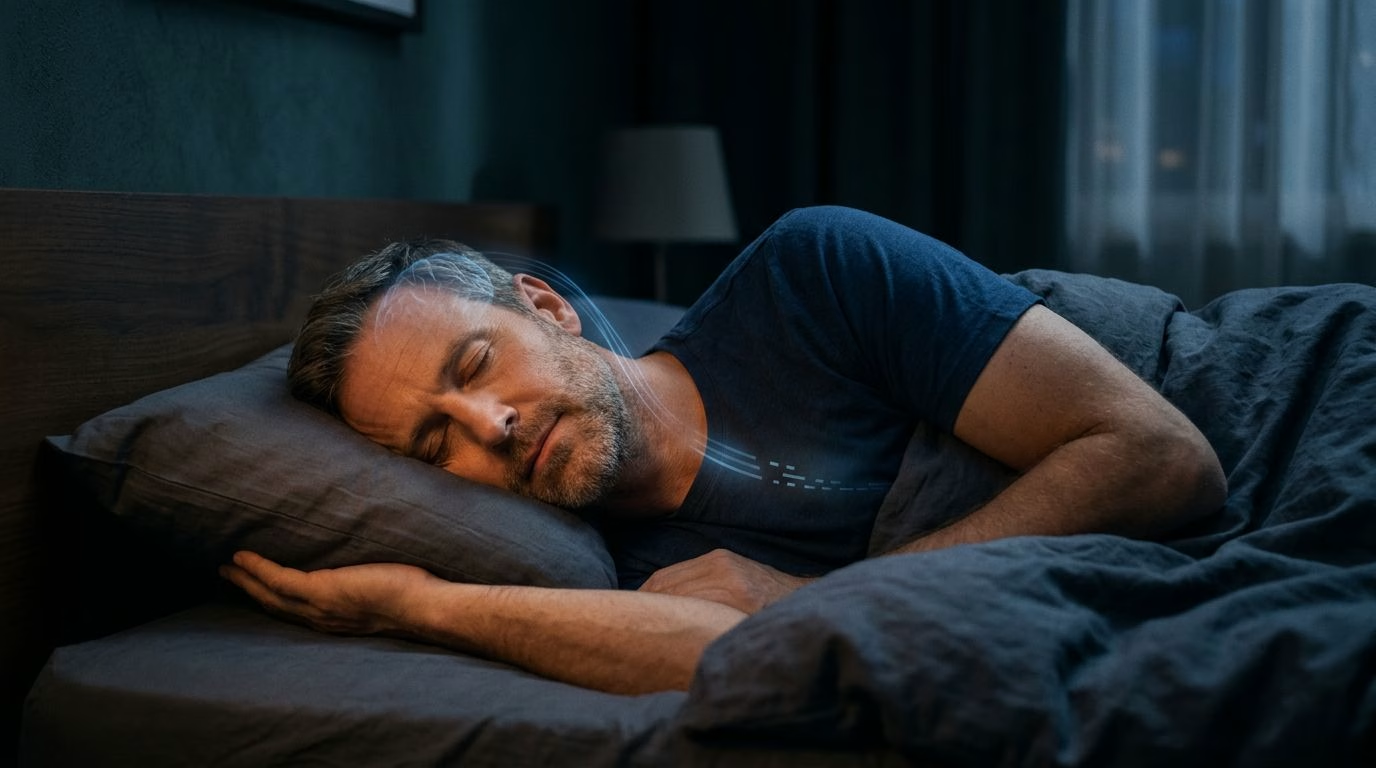
A person can stop breathing repeatedly during sleep even when their airway stays open. Central sleep apnoea happens when the brain briefly fails to send the right breathing signal to the muscles that draw air into the lungs.
You may feel exhausted, wake suddenly short of breath, or hear that your breathing pauses overnight. These symptoms can overlap with other sleep conditions, so the right diagnosis matters.
A sleep specialist can distinguish this breathing disorder from airway blockage and identify its likely cause.
Key takeaways
- Central sleep apnoea involves a pause in breathing drive, rather than the blocked airway seen in obstructive sleep apnoea.
- Symptoms can include broken sleep, morning headaches, breathlessness at night, poor concentration, and daytime sleepiness.
- Heart failure, stroke, opioid medicines, kidney failure, and some neurological conditions can trigger central breathing events.
- A full overnight sleep study measures airflow, breathing effort, oxygen levels, heart rhythm, and brain activity.
- Treatment often starts by addressing the underlying medical cause and reviewing medicines that affect breathing.
- Continuous positive airway pressure may help selected people, although treatment needs close follow-up.
- Adaptive servo-ventilation is not suitable for some people with heart failure and a reduced ejection fraction.
- Sleep routines support recovery, but they can’t replace medical treatment for repeated central breathing pauses.
How Central Breathing Pauses Affect Breathing During Sleep
Breathing normally runs on autopilot. Sensors in the body track carbon dioxide levels, and the brainstem adjusts breathing to keep them within a safe range. It sends signals down the spinal cord and through the phrenic nerve, which activates the diaphragm.
During a central apnoea, that signal briefly drops away. Airflow stops because the diaphragm and chest muscles aren’t trying to breathe. In adults, a scored apnoea generally lasts at least 10 seconds.
This differs from obstructive sleep apnoea, where the brain keeps sending the signal but the upper airway closes or narrows. Some people have both patterns, which makes assessment and treatment more involved.
| Feature | Central events | Airway obstruction |
|---|---|---|
| Main problem | Breathing drive pauses | Airway narrows or closes |
| Respiratory effort | Absent or greatly reduced | Continues during the event |
| Typical sound | May be quiet, then followed by a deep breath | Snoring, choking, or gasping are common |
| Clinical focus | Cause and breathing stability | Airway and lifestyle factors |

The body can react strongly after each pause. Carbon dioxide levels rise, oxygen may fall, and the brain briefly wakes the sleeper enough to restart breathing. These repeated arousals can fragment sleep, even when the person has no memory of waking.
Symptoms That Can Be Easy To Miss
The symptoms of this condition vary widely. A partner may notice quiet pauses, followed by a sudden deep breath or awakening. However, many people sleep alone and only notice how they feel during the day.
Common signs include unrefreshing sleep, daytime sleepiness, a morning headache, poor memory, low mood, and trouble focusing. Sleep disturbances may leave some people waking with a racing heart, a sense of breathlessness, or insomnia with no clear cause.
Snoring does not rule central events in or out. It may point to obstructive sleep apnoea, but mixed sleep-disordered breathing is common. A person with heart failure may also mistake night-time breathlessness and tiredness for their heart condition alone.
Sleepiness can affect driving, work, and mood. Avoid driving if you struggle to stay awake at the wheel. Speak with a GP or sleep clinic promptly, particularly if fatigue has become unsafe or unmanageable.
A consumer sleep tracker can flag poor sleep, but it cannot diagnose central apnoeas or distinguish them from an obstructed airway.
Causes And Breathing Patterns Doctors Look For
Central sleep apnoea is usually a sign that something has altered breathing control. It falls into several patterns, and the underlying cause guides treatment.
Heart failure is an important association. Some people develop Cheyne-Stokes breathing, where breaths grow deeper and faster, then gradually become shallower before a central pause. In heart failure, circulatory changes can shape the treatment plan.
This instability is sometimes described as high loop gain. In simple terms, high loop gain means the body over-corrects its breathing response. Carbon dioxide levels then fall below the level needed to trigger the next breath, causing a pause.
Other causes and contributors include:
- A stroke, brain injury, or neurological disease can affect the brainstem and areas that regulate automatic breathing.
- Opioid use can suppress respiratory drive, especially at higher doses or when mixed with alcohol or sedating drugs.
- Kidney failure and atrial fibrillation often occur alongside conditions linked with central breathing instability.
- High altitude can cause periodic breathing because lower oxygen availability triggers over-breathing and reduces carbon dioxide.
- A pattern called treatment-emergent CSA can appear after someone starts CPAP for airway obstruction.
Primary central sleep apnea is rare. Doctors first exclude heart, neurological, medicine-related, and altitude-related causes. They also note any waxing-and-waning Cheyne-Stokes breathing pattern.
Never stop opioid medicine, sleeping tablets, or anxiety medicine abruptly because of suspected sleep apnoea. A prescriber can reduce or change medicines safely where needed.
How a Sleep Study Confirms Central Breathing Pauses
A GP may first review your symptoms, medication list, alcohol intake, medical history, and heart health. They may then refer you to a respiratory or sleep service for formal testing.
When central events are suspected, an overnight polysomnography study often gives the clearest answer. In-lab polysomnography records brain activity, eye movements, blood oxygen levels, heart rhythm, airflow, body position, chest movement, and abdominal movement during a formal sleep study.
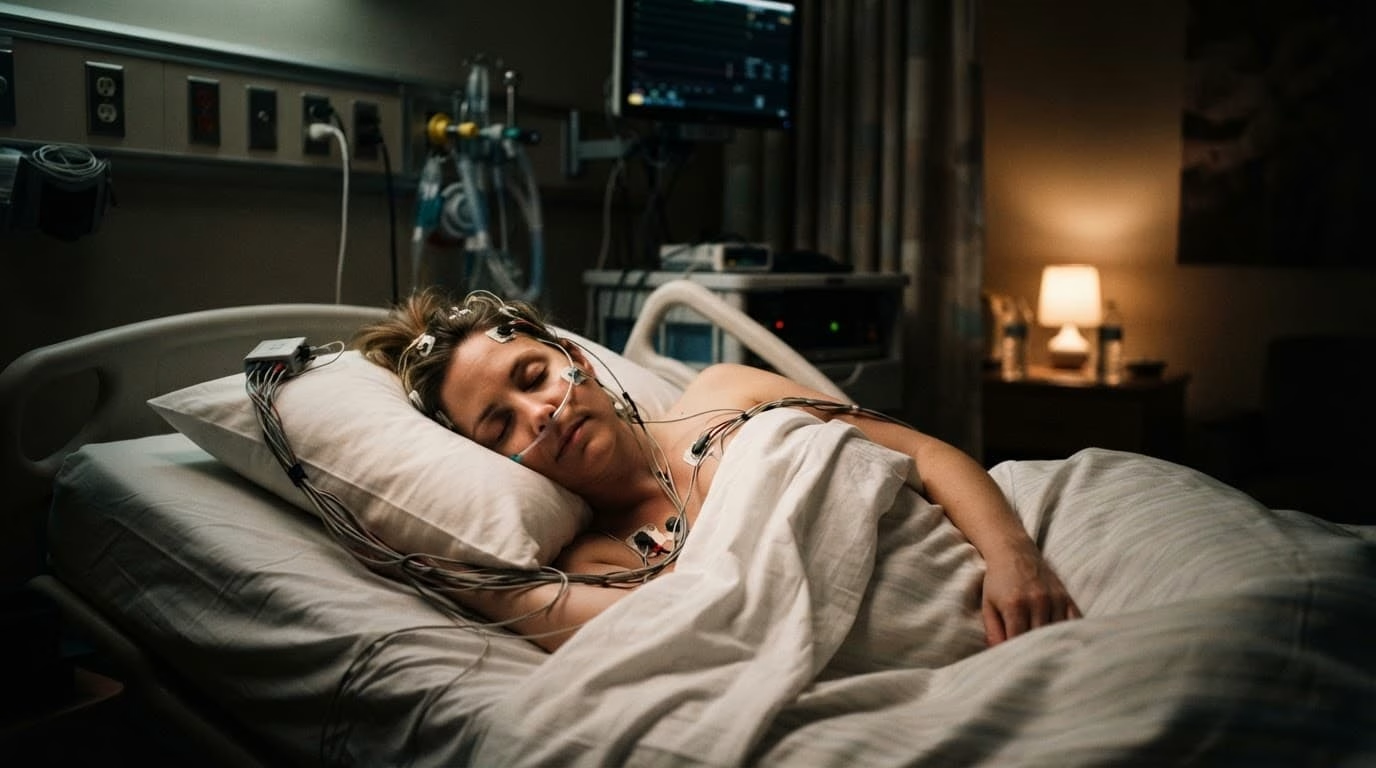
The breathing effort belts are important. They show whether your chest and abdomen keep trying to breathe during an event. In central events, respiratory effort is absent or very low. In obstructive events, the body keeps making effort against a closed airway.
Sleep specialists also count the central apnoea index, which is the number of central pauses per hour of sleep. A diagnosis often involves five or more central events per hour, with central events making up more than half of recorded breathing disturbances. The final interpretation also considers symptoms and any medical condition.
A home sleep test can help in some cases, but it may miss useful detail. Your clinical team may also request an ECG, echocardiogram, blood tests, or neurological assessment. An echocardiogram can help identify heart failure, while these tests look for conditions that may be driving the breathing pattern.
Treatment Options And Important Safety Limits
Treatment starts with identifying the cause. Better management of heart failure, a careful medication review, or moving to a lower altitude may reduce central events without a separate device. People with neurological disease may need joint care from sleep, respiratory, and neurology teams.
Positive airway pressure treatments can stabilise breathing during sleep. The best option depends on test results, blood oxygen levels, heart function, comfort, and response over time.
| Treatment | How It May Help | Important Consideration |
|---|---|---|
| Continuous positive airway pressure, or CPAP | Provides a steady pressure that can improve breathing stability | Follow-up data shows whether central events are settling |
| bi-level positive airway pressure with a backup rate | Adds breaths if breathing slows or stops | A sleep specialist must set it carefully |
| adaptive servo-ventilation, or ASV | Adjusts pressure support breath by breath | Not suitable for some people with reduced heart function |
| Supplemental oxygen | May reduce unstable breathing in selected cases | Use only when prescribed and monitored clinically |
| Acetazolamide | Changes the body’s breathing response to carbon dioxide | May cause side effects and needs medical review |
| Transvenous phrenic nerve stimulation, such as the remede system | An implanted system supports breathing during sleep | Requires a procedure and specialist follow-up |
New central pauses can occur after starting continuous positive airway pressure for obstructive events. For some people, these pauses reduce after several weeks of consistent use. If they persist or cause major symptoms, the sleep team may change pressure settings or consider another treatment.
Adaptive servo-ventilation can work well for selected people. However, it is generally avoided in people with symptomatic chronic heart failure, a left ventricular pumping function of 45% or less, and predominantly central events. The SERVE-HF trial found increased cardiovascular mortality in that group.
A reduced ejection fraction does not rule out every sleep treatment, but adaptive servo-ventilation needs a careful cardiology and sleep-medicine review.
Transvenous phrenic nerve stimulation is an option for some adults with moderate to severe central events who cannot use, or do not respond to, positive airway pressure. A clinician implants a small system that stimulates the phrenic nerve during sleep, prompting the diaphragm to contract. Availability and NHS access vary, so referrals usually go through specialist services.
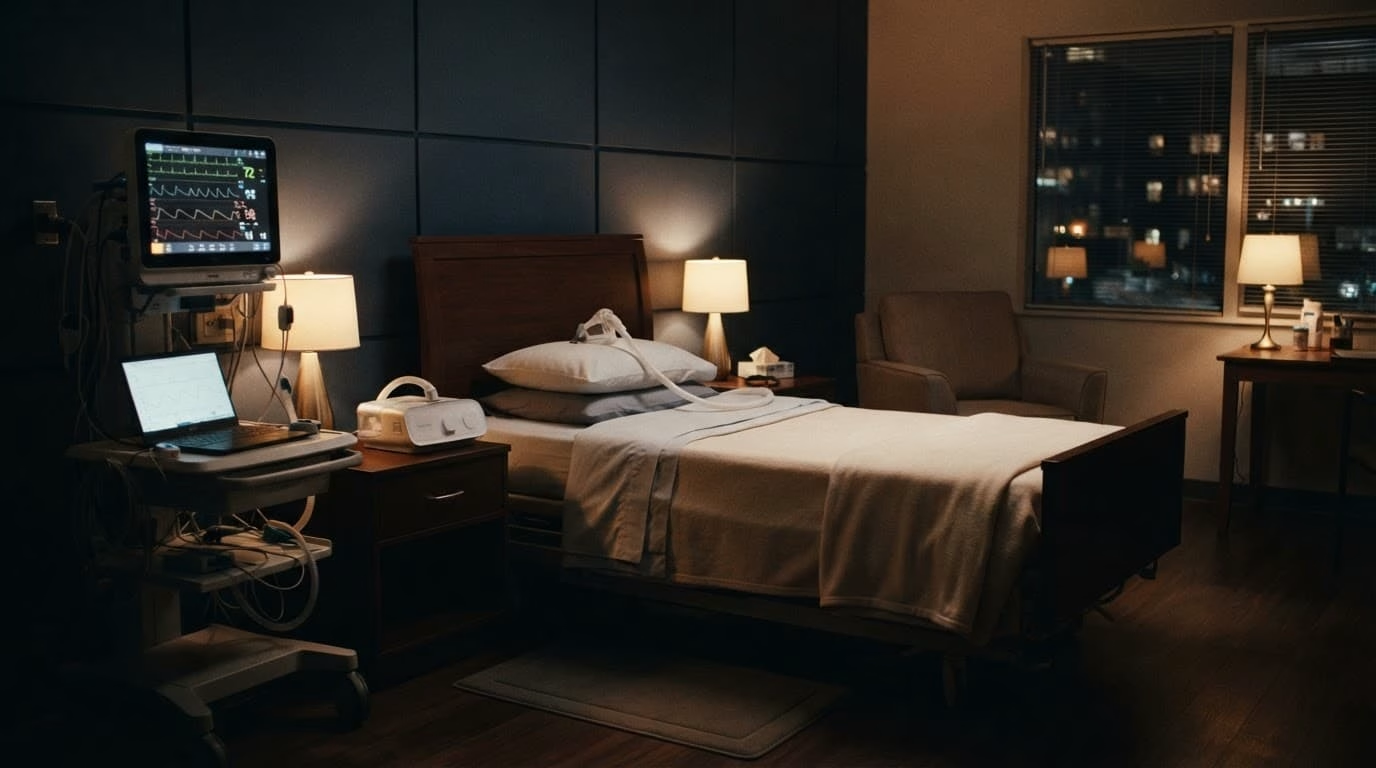
Avoid buying oxygen equipment or changing machine settings without clinical advice. The wrong pressure or oxygen level can mask problems or make certain breathing patterns worse.
Everyday Support And When To Get Help
Daily habits will not cure central events, but they can make treatment easier to tolerate. Keep your bedroom cool and quiet, use the mask for the full sleep period if prescribed, and bring device data to follow-up appointments. Persistent daytime sleepiness still needs medical assessment.
A stable wake-up routine can make sleep timing more regular and reduce the temptation to spend long periods awake in bed. Still, severe tiredness needs medical assessment rather than a stricter routine.
Avoid alcohol close to bedtime, especially with opioid use or other sedating medicines. Tell your clinician about sleeping tablets, antihistamines, and drowsy supplements, and don’t change prescriptions yourself. Side sleeping may help if you also have obstructive events, but it does not fix missing breathing signals.
Call 999 if someone has severe breathlessness at rest, chest pain, blue or grey lips, fainting, or stroke symptoms. For new or worsening night-time breathlessness, dangerous sleepiness, or repeated witnessed pauses, contact your GP or NHS 111.
Conclusion
Central breathing pauses need a proper diagnosis because the airway may be open while the body fails to take the next breath. A detailed sleep study can identify the pattern and highlight causes such as heart failure, medicines, altitude, or treatment-emergent events.
The most useful next step is a GP or sleep-clinic review, especially when tiredness, breathlessness, or witnessed pauses affect daily life. Central sleep apnoea is treatable, but the safest treatment depends on the person behind the findings.
FAQ
Can Both Types Of Breathing Events Occur Together?
Yes. Some people have airway blockage during certain events and absent breathing effort during others. A full assessment can identify the mix and help the sleep team choose the right therapy.
Are Repeated Central Events Dangerous?
Repeated oxygen dips and disrupted sleep can strain the heart and impair daytime alertness. The level of risk depends on the cause, severity, oxygen levels, and other health conditions, especially heart failure.
Can These Breathing Pauses Go Away?
They can improve when the underlying cause changes. For example, events that appear after starting CPAP may settle with continued use, while breathing changes at high altitude often improve after descent or acclimatisation.
How Long Do Treatment-Related Events Last?
Some cases of treatment-emergent csa settle over several weeks of regular CPAP use. Your sleep service should review symptoms and machine data rather than assuming the events will disappear.
Do I Need To Stay Overnight For Testing?
Many tests take place in a sleep laboratory, although some assessments can be done at home. When absent breathing effort is suspected, an in-lab assessment may provide more useful information.
What Does Testing And Treatment Cost In The UK?
NHS assessment and treatment are generally available without charge at the point of use for eligible patients, although waiting times differ by area. Private assessments, consultations, and equipment costs vary widely, so ask for a written estimate before booking.
Leave a Reply