-

·
Attention Residue Explained and How to Refocus Faster
Your brain doesn’t leave a task the moment you click away. That gap matters more than most people think. If you jump from email to a report, then to a message, part of your mind stays behind. That leftover pull is attention residue, and it makes focused work feel heavier than it should. Once you…
-

·
Revenge Bedtime Procrastination Explained And How To Break The Loop
You can be exhausted, want sleep, and still stay up on purpose. That strange clash sits at the heart of revenge bedtime procrastination. It often shows up after days packed with work, care, study, or constant messages. Late at night feels like the only time that still belongs to you, so bedtime gets pushed back.…
-

·
Caffeine Timing For Focus Without Anxiety Or An Afternoon Crash
Caffeine doesn’t create energy or sustained alertness, it masks tiredness by blocking the brain signals that tell you to rest. That’s why the same morning coffee can feel brilliant at 10:00, then edgy at 12:00, and trigger an afternoon crash by 15:00. If you want calm focus, the trick isn’t “more caffeine”. It’s caffeine timing,…
-
·
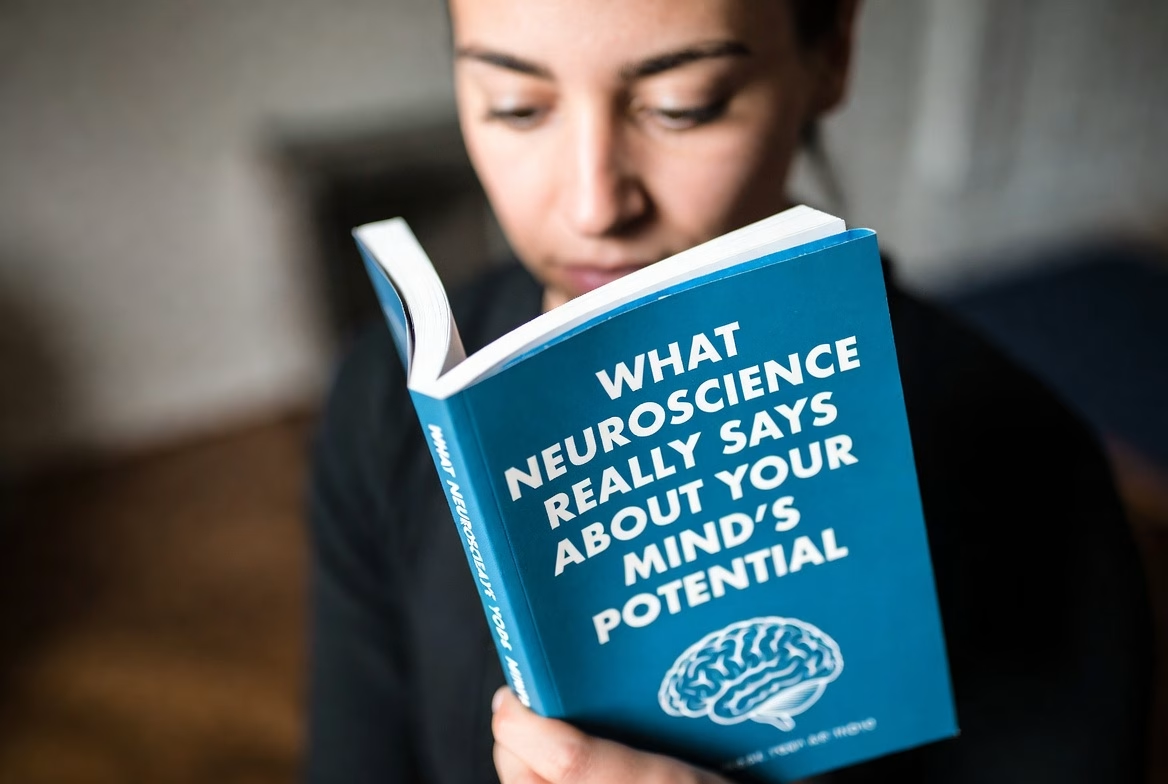
The 10% Brain Myth: What Neuroscience Really Says About Your Mind’s Potential
For decades, a compelling story has claimed we only use 10% of our brains. This idea suggests a vast reservoir of untapped potential lies dormant within our skulls. In reality, modern brain imaging shows we use virtually all of our brain every single day. Key Takeaways The claim that humans only use 10% of their…
-

·
Why You Freeze Under Pressure And A Simple Unfreeze Script
Freezing under pressure isn’t a character flaw, it’s a survival reflex. The problem is that your body can treat a boardroom, an exam hall, or a difficult chat like a real threat. Then your mind goes blank at the exact moment you need it most. This post explains what’s happening in your nervous system, why…
-

·
The Ivy Lee Method: The 100-Year-Old Productivity Secret That Still Works
In 1918, a steel company boss tried a simple daily list, then wrote the consultant a cheque for $25,000 because it worked. That story has survived for a reason. Most days, the problem isn’t a lack of apps or advice. It’s the long to-do list, the constant pings, and the “busy but not much done”…
-
·
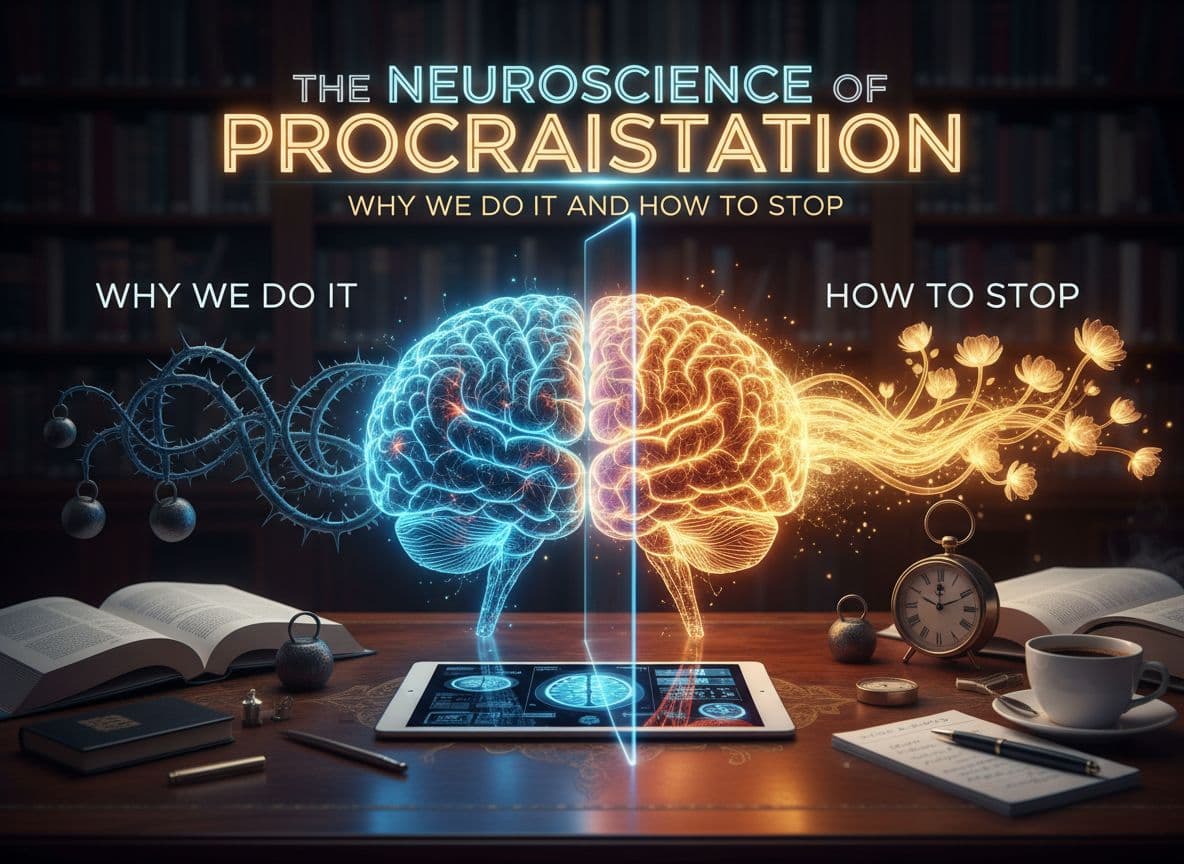
The Neuroscience Of Procrastination: Why We Do It And How To Stop
About 20% of adults are chronic procrastinators, and many more put things off most weeks. That’s a lot of people staring at the same email draft, unopened bank letter, or half-started assignment. If that sounds familiar, the useful point is this: procrastination is rarely a character flaw. It’s often a brain and emotion problem. Your…
-

·
Stacking Keystone Habits: One Routine That Triggers A Cascade Of Positive Behavior
Exercise is one of the most studied everyday habits, and it often changes sleep and eating even when people don’t set out to fix either. That’s the strange power of a keystone habit, one routine that nudges lots of other choices in the right direction. A keystone habit is a single habit that makes other…
-

·
The PARA Method Organising Your Life For Action
Estimates often put time spent searching for work information at about 1.8 to 3.6 hours a day, depending on the role and tools. Even if your number is lower, the feeling is familiar. Notes end up in five places. Files sit in random folders. Browser tabs multiply. Messages hold “important” details you’ll forget to save.…